5 of 5 in the series Dogs of Defense

Check out the ITS Online Store for awesome new products!

Posts by author:

Joel Ryals

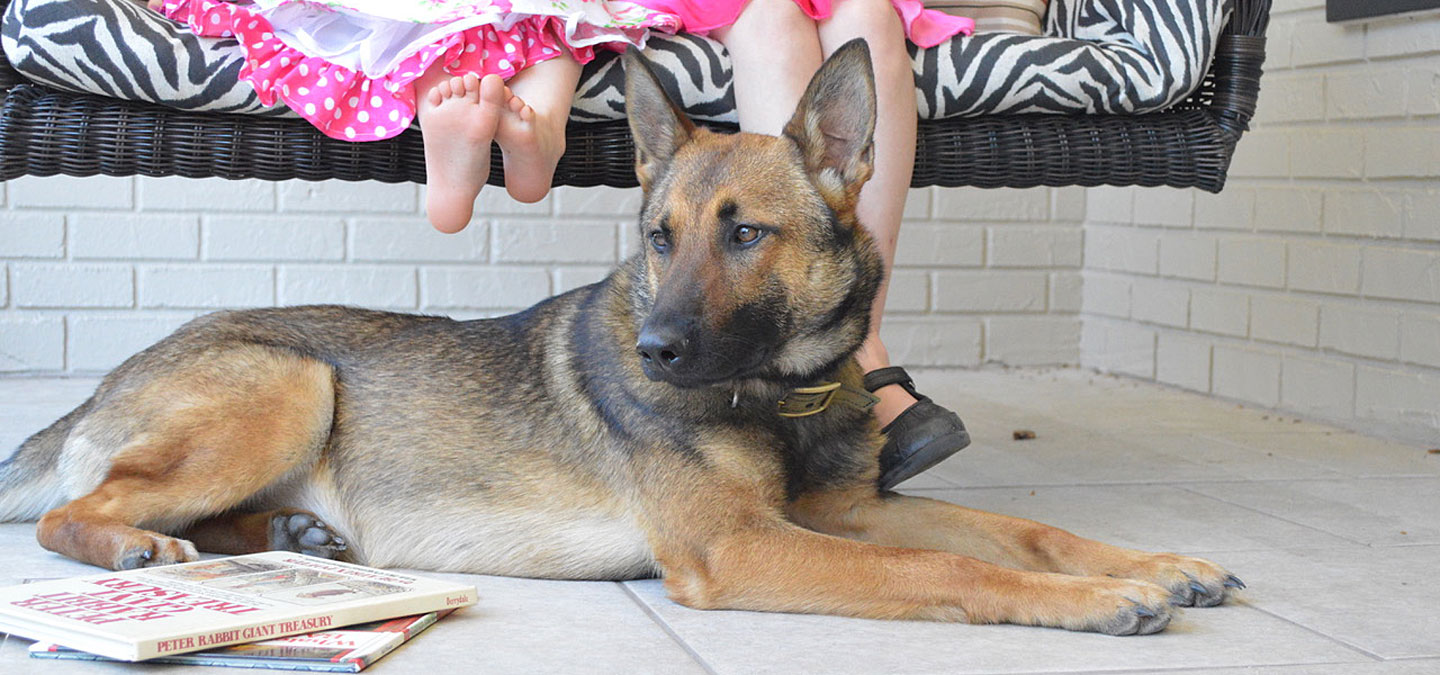
Post image for Dogs of Defense: Integrating Dogs into Your Home Defensive Plan
5 of 5 in the series Dogs of Defense

Many people purchase dogs for the purpose of adding to home defense. For some people, dogs are their only defensive measure. Still others plan to only use their dog as an alternate form of a house alarm and then completely discount them after that.

If you have a very small dog, then perhaps their best application is as an alarm. But if you have a large dog that is capable of protection and especially if you plan to rely on this dog for any portion of your home protection plan, then you must train both yourself and your dog for this eventual possibility.

Having a dog as part of your defensive plan and not training with that additional asset is as foolish as buying a gun and keeping it by your bed side and never shooting it at the range. [Read More…]

{ 6 comments }

Post image for Dogs of Defense: Stabilizing a Protection Dog
4 of 5 in the series Dogs of Defense

In our previous articles on Dogs of Defense we discussed the responsibility that each dog owner has to maintain control over their dogs, as well as how training a dog in protection work can actually make them safer if they are properly stabilized.

Next we discussed the benefits and considerations of owning a protection dog. Having options in self-defense is very important. We should not desire to take the life of another unless it is necessary for the preservation of our own, or in protection of another. Dogs give us significant options in our level of force while allowing us to defend ourselves very effectively.

In our last article we discussed different considerations to think through before purchasing a protection dog. Selecting an appropriate breed and trainer will make a significant difference in your enjoyment of the process, level of frustration with results and long term maintenance requirements. [Read More…]

{ 5 comments }

Post image for Dogs of Defense: Considerations for Purchasing a Protection Dog
3 of 5 in the series Dogs of Defense

If you have made it this far in our series, hopefully you are seriously considering a protection dog. In this article we are going to address the selection of a dog and the training of that dog.

These are going to be the two most important aspects for you, as the owner, when determining what kind of dog you want and how to prepare both yourself and your dog for home protection. [Read More…]

{ 17 comments }

Post image for Dogs of Defense: Safety of Protection Dogs
2 of 5 in the series Dogs of Defense

The first area of concern voiced by practically anyone that I discuss the idea of protection dogs with is safety and rightly so. The news media does a very good job of vilifying certain dog breeds as dangerous simply because they are a specific breed.

Movies also do a very good job of creating images of Pit Bull Terriers and Rottweilers being used by drug dealers in their homes. Often for the sake of reducing the number of bites on fleeing suspects, the police have done a fairly good job presenting certain dogs as highly dangerous too.

This is not to say that specific breeds don’t require certain considerations when deciding to use one for protection, but let us be careful about buying into the media’s version of things. Unfortunately, many of the dog trainers out there today have bought into these misleading marketing plans. It’s important to find trainers that are actually training and not simply sitting behind a keyboard.

With that in mind, let’s consider the most important aspect about dogs when it comes to safety. [Read More…]

{ 7 comments }

Post image for Dogs of Defense: K-9s for Home Invasion Protection
1 of 5 in the series Dogs of Defense

This is the first article in a follow-up series to our previous series, Dogs of War. In Dogs of Defense, we’ll focus on dogs for personal protection.

Today we’ll begin by asking if there is a need for trained protection dogs. The next article will discuss whether there’s a danger associated with “weaponizing” a dog, followed by an article that considers breeds, trainers, and the responsibilities of the owner of a trained dog.

Later articles will discuss the safety of those around a trained protection dog and how to maintain that dog’s peak performance. We’ll also illustrate methods of integrating a protection dog into a home defense plan, as well as how U.S. laws relating to service dogs can be used to keep your family safe. [Read More…]

{ 28 comments }

Post image for Dogs of War: Equipment for a Special Operations Dog
6 of 6 in the series Dogs of War

Over the last several articles, we have discussed what capabilities a dog possesses and how those capabilities can be integrated into tactical teams.

One topic that may be of interest to you that I have not yet given any time to is that of the actual equipment used by dogs in this sort of tactical application.

When determining the equipment requirements for any mission, you must first understand the nature and characteristics of the mission. A series of mission parameters must be determined. [Read More…]

{ 5 comments }

Post image for Dogs of War: Did You Hear Something?
5 of 6 in the series Dogs of War

In my previous articles about the capabilities of dogs and their application to tactical teams we explored the dog’s ability to fight with humans, their ability to carry specialized equipment into the field for us, and their ability to detect scent.

Today I would like to discuss some of the tactical applications of a dog’s increased hearing capabilities.

A dog’s sense of hearing can be especially useful to smaller teams like the MAC-V SOG teams in Vietnam, or sniper teams who are particularly vulnerable to being overrun by larger units. Detecting an enemy’s approach allows these soldiers to conceal themselves or move to avoid being detected. [Read More…]

{ 4 comments }

Post image for Dogs of War: Tactical Uses of Scent Detection
4 of 6 in the series Dogs of War

We don’t have the technology, we can’t build him better…

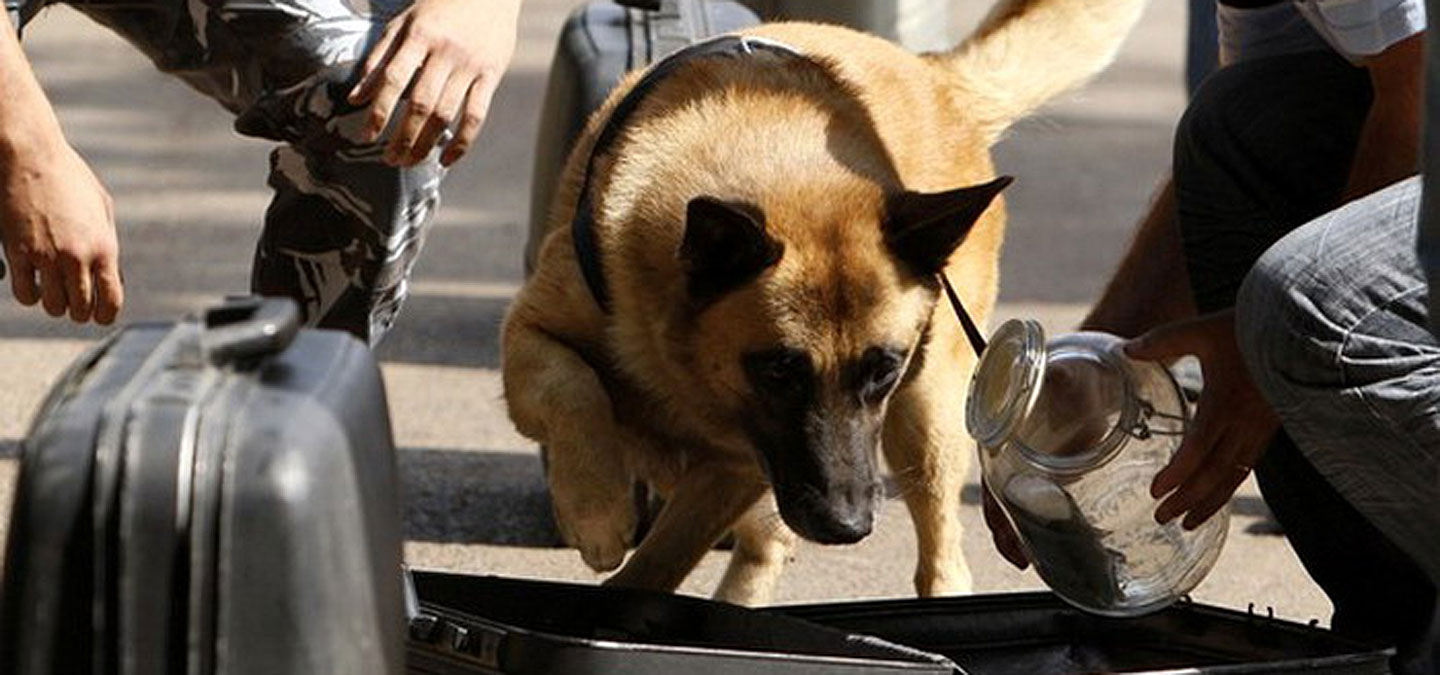
In my previous articles on dog capabilities, and how to integrate them into a Tactical Team, we discussed their capabilities to bite and fight as well as their ability to carry equipment. Now let’s discuss their most beneficial capability to us, their sense of smell.

In my original article I said, “One of the greatest capabilities a dog can bring, and the primary reason they are used by law enforcement and military, is their sense of smell. Humans walk into a restaurant and smell the food (they may even distinguish the types of meals being prepared).

A dog detects whether it’s an electric, gas or wood stove being used; the type of meat being cooked; the spices being added; the cleanliness of the cooks; the sicknesses of the patrons; who is carrying weapons; and if there are any explosives of drugs present on the grounds. Wouldn’t you love to be able to tell all that with just your sense of smell?” [Read More…]

{ 2 comments }

Post image for Dogs of War: Using Dogs as Unmanned Ground Vehicles (UGVs)
3 of 6 in the series Dogs of War

Previously we discussed by a Special Forces Team like the US Navy SEALs might want to include a dog on a high risk and dynamic operation like raiding UBL’s compound.

We then discussed how a Tactical Team might integrate a dog’s ability to fight into their operating TTPs. Now I would like to discuss how the dog might help a Tactical Team to make the best use of technology on the battlefield.

You’re probably reading the title of this article and asking yourself what an Unmanned Ground Vehicle is, let me explain. [Read More…]

{ 9 comments }

Post image for Dogs of War: Mouth-to-Arm Combat
2 of 6 in the series Dogs of War

There is a lot of interest, as of late, in hand to hand combat. The military has trained their soldiers in it for as long as there have been soldiers.

Law Enforcement Officers also spend a lot of time learning how to subdue suspects with their hands. For good reason too, being able to subdue your enemy with your hands is the last resort, but you had better be able to perform when the time comes, or you’ll be hurting in a bad way.

But not a lot is said about mouth-to-arm combat, or for that matter, mouth-to-leg combat. I guess that’s because, even if you get down on all fours, leap and bound in the best bear crawl ever performed, wrap your arms around someone’s leg and bite down: they may scream, they may even be concerned, but most people are not going to have that cold, incapacitating chill run down their spine.

But when a dog does it, for whatever reason, people tend to crap their pants. Not fair, I agree, but nevertheless it’s true. [Read More…]

{ 9 comments }