





Lock Picking Forensics and What Gets Left Behind
Lock Picking Forensics and What Gets Left Behind
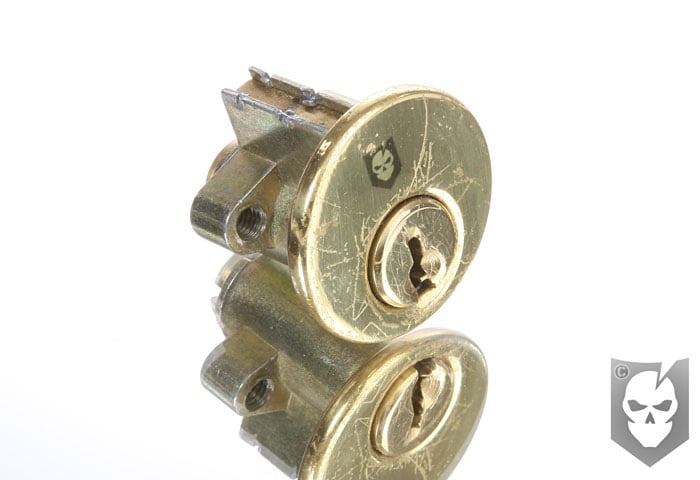
While we cover many aspects of lock picking on ITS Tactical, our disclaimer has always been that this information is presented so everyone can learn the “illusion” of security and how thinking a standard lock is going to protect your loved ones or your valuables is a misnomer.
The Locksport community was designed for just this purpose and the recreational challenge of lock picking. What we’d like to do with this article is to introduce you to the concepts behind Lock Picking Forensics and why this seemingly untraceable method of entry is becoming a thing of the past.
Leave no Trace?
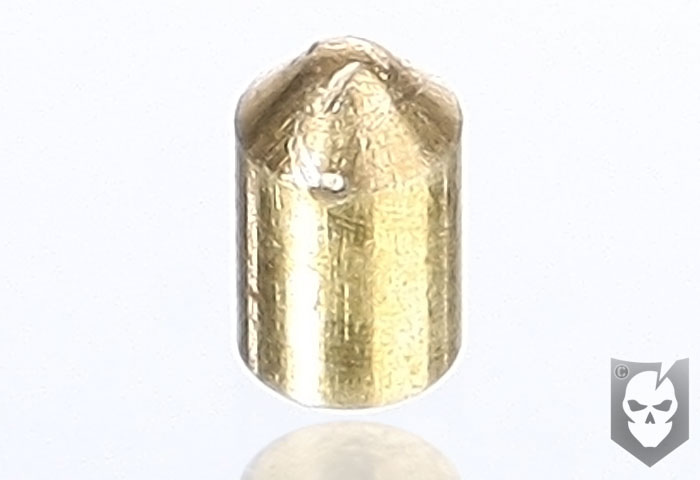
Lock Picking leaves marks, period. No matter how good thieves are at picking locks, what kind of entry tool they use or even what method employed, marks are left. In some situations, this may take a microscope or macro photography to see, but more than likely in a criminal situation they’ll be raking a lock and want to gain access as fast as possible, thus leaving deeper marks. This is also indicative of their skill level, as amateurs take longer to open a lock; leaving significantly more evidence behind.
Now you may be asking how this differs from the marks that a key leaves when being inserted into a lock? If you think about a key being inserted into a lock and turned, the key glides over the pins in a direct line front-to-back pattern because it’s aligned in the keyway. When the plug is rotated, it also has a concentric rubbing pattern on the pins.
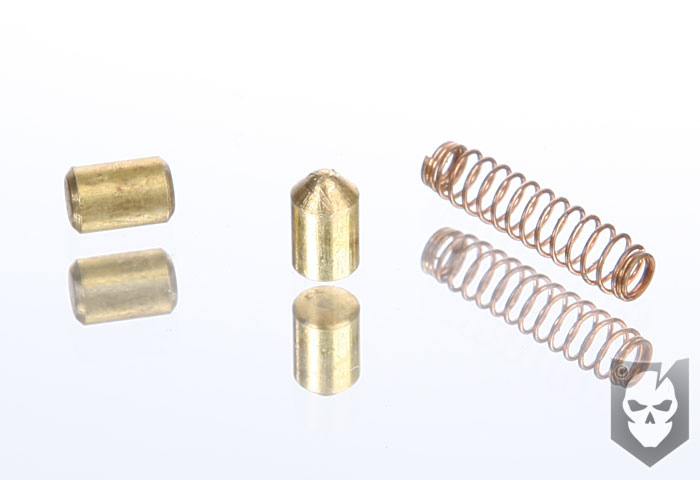
While this article is just a starting point in our discussion about lock picking forensics, we wanted to provide you with a few basic principles. Like the “illusion” of security mentioned above, there’s also the “illusion” that lock picking is an invisible method of entry. The truth is, it’s definitely not. We hope that Law Enforcement and insurance companies will eventually have the capability to use lock picking forensics. We have heard of some Law Enforcement using lock picking forensics already and hopefully it becomes widely adopted.
The big problem right now is with insurance claims, where without signs of forced entry, they won’t process loss claims. Does anyone here have any experience with a denied claim due to lack of forced entry evidence?
Leave a comment with your thoughts on lock picking forensics, do you see it as a good thing?
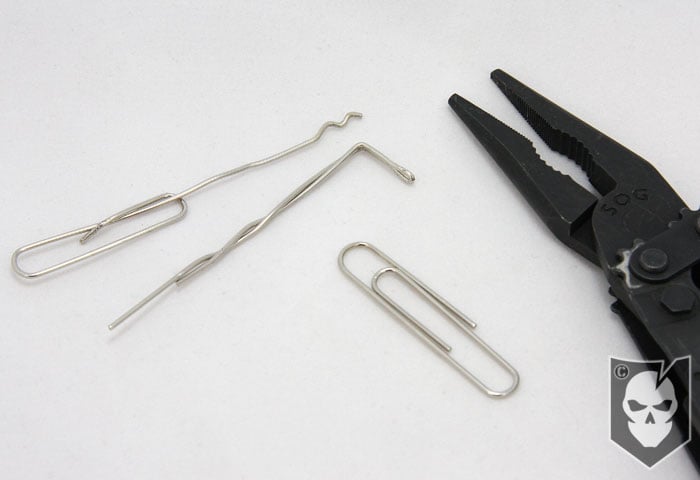

Discussion