





Become a Member
Expecting Something Else?
If you were redirected to this page, the content you were trying to view is only available to our ITS Supporting Members.
If you’re already a member, please login here.
Join Our Growing Community of Supporters
At Imminent Threat Solutions we’re working hard every day to provide different methods, ideas and knowledge that could one day save your life. Instead of simply asking for your support with donations, we’ve developed a membership to directly support what we do, while allowing us to give you back something in return.
For less than 14¢ a day you can help contribute directly to our content and join our growing community of supporters who have directly influenced what we’ve been able to accomplish and where we’re headed.

What are the Benefits Available?
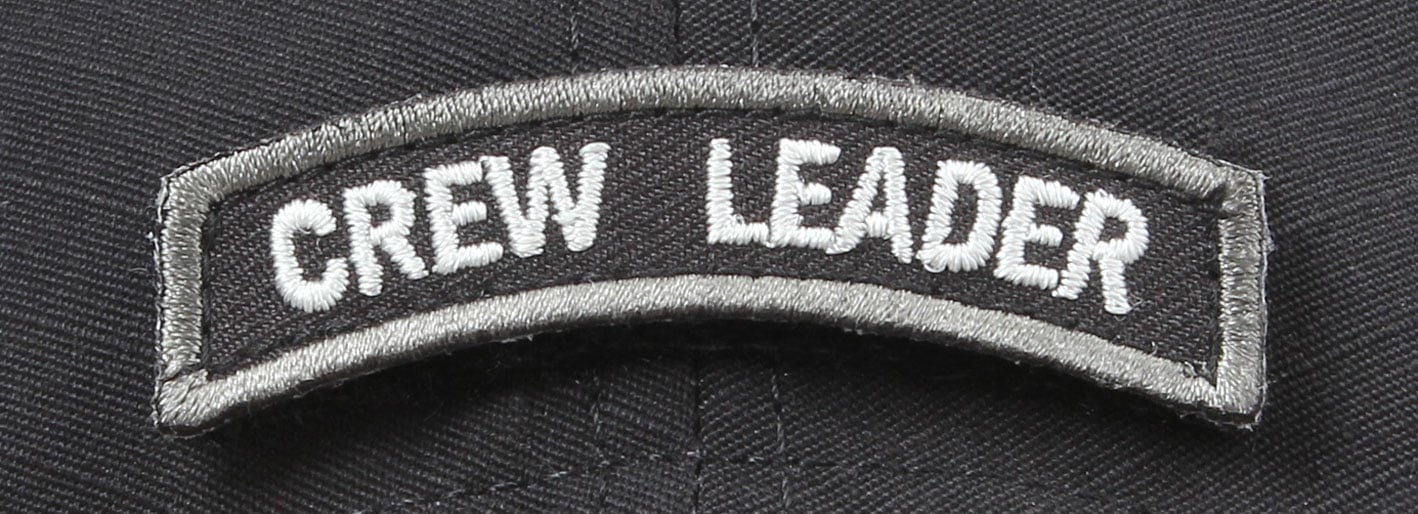
Members signing up for our currently available supporting membership level are known as Crew Leaders, a carry over from Navy terminology. Forum members at the free level are known as Crew Members, so it only seemed fitting we bestow the Crew Leader title to those members who have made the commitment to support us directly.
When you become a Crew Leader for less than 14¢ a day, you’ll immediately receive these benefits!
 Free ITS Crew Leader Rocker Patch and ITS Logo Patch to proudly display your Crew Leader affiliation (color of patches based on availability)
- Free copies of all eBooks we release on ITS
- FREE Domestic Shipping on All Orders in the ITS Store! (Code available on Dashboard once membership is processed)
- Pre-Release Email Notifications for New Products in the ITS Store!