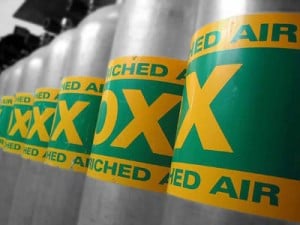
If you’ve ever been diving, chances are you’ve noticed something unique about those that have been diving for a while. You may have seen tanks lined up on dive boat and noticed those with more experience donning “NITROX” cylinders.
This isn’t just a fancy label, NITROX a mixed gas that helps divers maintain longer bottom times and reduce their risk of decompression sickness. This is generally the only other gas you’ll see when recreational diving, but there are many more out there.
In this article we’re going to go over some of the different gas mixtures, their benefits, draw backs and even ask, “What’s the point?” [Read More…]
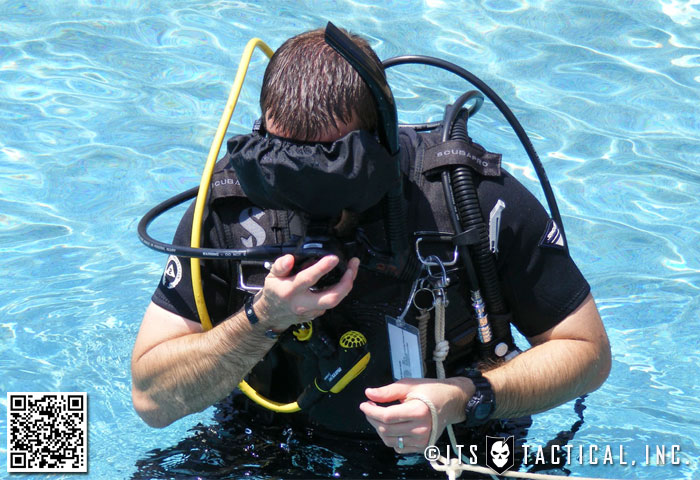
Whether you are recreation diving, combat diving, technical diving, or just goofing around in the pool, there are some things to keep in mind.
In all of my years of diving, I didn’t hear the words “tighten up your rig” until I started tech diving. I spent a lot of time diving off of cattle boats, but looking back, I wish someone had mentioned what I am about to cover just a little bit sooner.
I want to give you some pointers and lay out the benefits of the pony/bailout bottle as well as a review of some “safe second” devices. This article is going to be very informative for those that have not been around a diving community much. We have some ground to cover, so I’ll jump right in. [Read More…]
There is a threat at the heart of diving, an opponent so deft that we may not have a chance to fight back until it is too late.
This factor is present in nearly everything we do, but underwater it could mean your life. This unnoticed opponent is simply, complacency. I have been working here and there on a series of articles for ITS in regards to diving, but after a personal experience, I want to bring this one to the forefront.
[Read More…]
So now that we’ve got the diving introduction out of the way, let’s jump right into what we feel is a major issue. When it comes to SCUBA Diving, it is important to know your Gas Laws. In Dive Physics, during the Second Phase of BUD/s, they teach you that these laws are very important to a diver. A diver must be aware of the physics affecting him underwater. Without the knowledge of what happens to the human body underwater, circumstances could easily become disastrous.
In this article, we’re going to cover six important diving laws and principles that every diver needs to be aware of. We urge you to study this article and develop a full understanding of how these laws work and to draw your own opinions about why they’re important. The definitions are taken from documents provided in BUD/s training, and we can’t think of anyone better to talk to about the water than the SEALs. [Read More…]
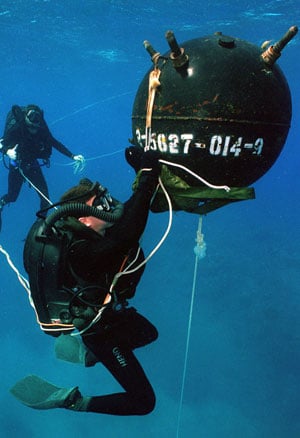
There’s a sport, both recreational and professional, that goes unnoticed by many people every day. When a plane goes down in the Hudson River, when a ship meets disaster and sinks, when oil rigs needs to be built, and when SEALs need to get somewhere undetected, they turn to a skill that has continuously been in development since it’s very inception. [Read More…]
We’d like to introduce a new topic here at ITS Tactical, Scuba Diving.
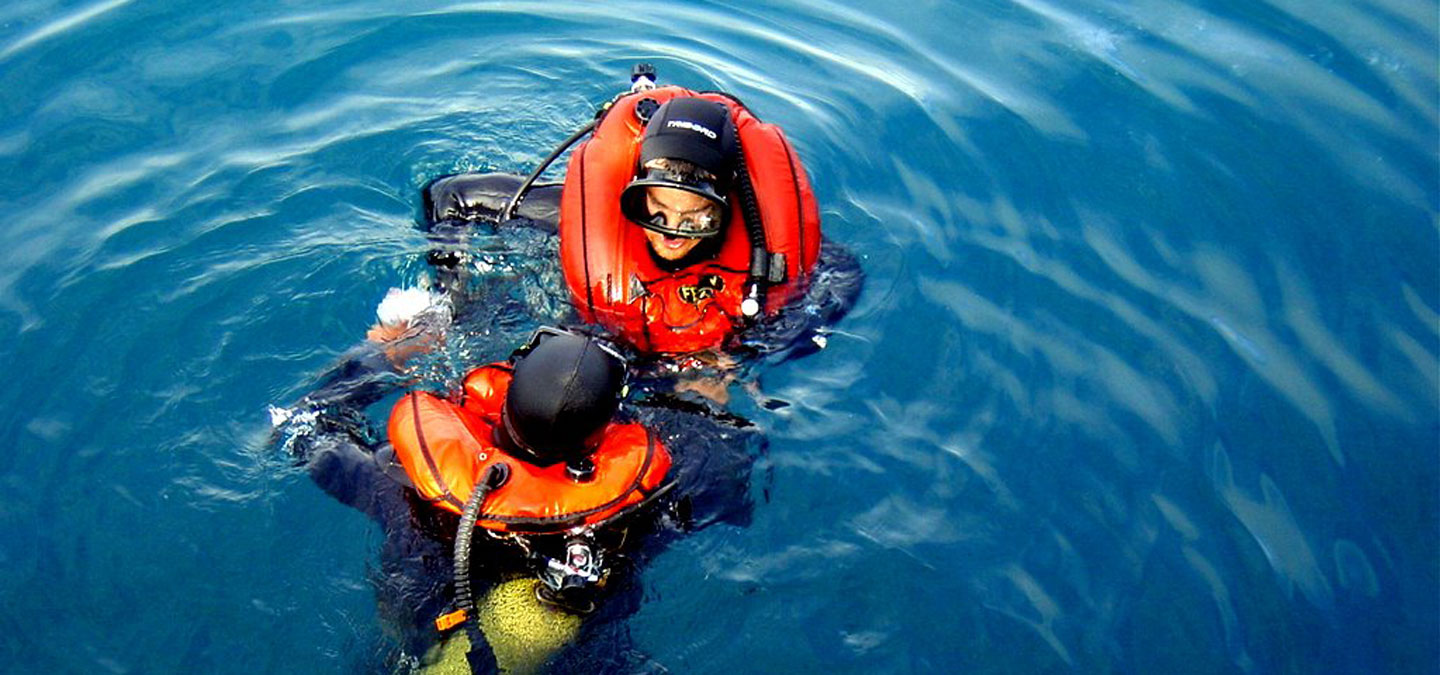
Most of us here are not only avid recreational divers, but have done Combat Diving in the military.
We hope to bring you a healthy mix of the two, along with articles and videos that will not only be educational from a civilian standpoint, but help those in the military and law enforcement too.
Our articles won’t be focused on teaching beginning Scuba Diving per se, but will be geared towards the diver wanting to gain more tactical-based knowledge and build their confidence underwater. [Read More…]
Recent Comments