The relaunched ITS Online Store is live with awesome new products!

From the category archives:

Loops

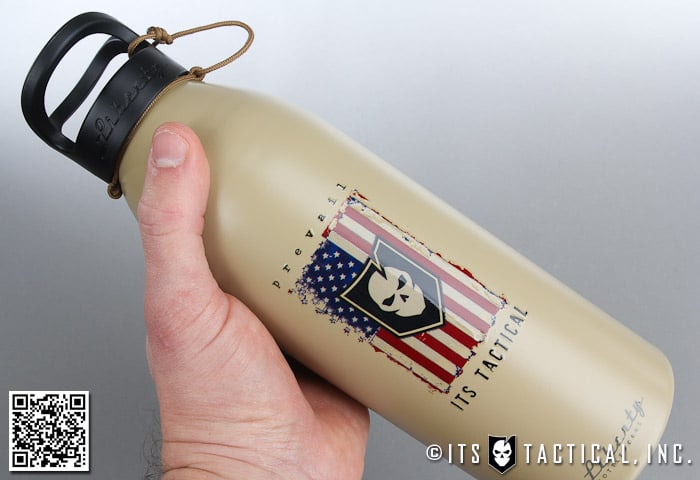
Post image for How to Make a Liberty Bottle Leash for Your Lid

In our newest Knot of the Week, we’ll be taking a look at a way to add a leash to the lid from your Liberty Bottle so it doesn’t grow legs and walk away.

One thing that I felt was missing from the US made ITS Liberty Bottles that we sell in our store, was a way to lanyard in the lid so it didn’t get lost. As I started taking Liberty Bottles with me while hiking and climbing, I quickly missed the ability to drink one-handed after removing the lid; which can be done with Nalgenes.

With a couple of easy knots and some Type 1 Paracord or the guts from standard Type III Paracord, you’ll be able to create your own Liberty Bottle Leash in no time! [Read More…]

{ 9 comments }

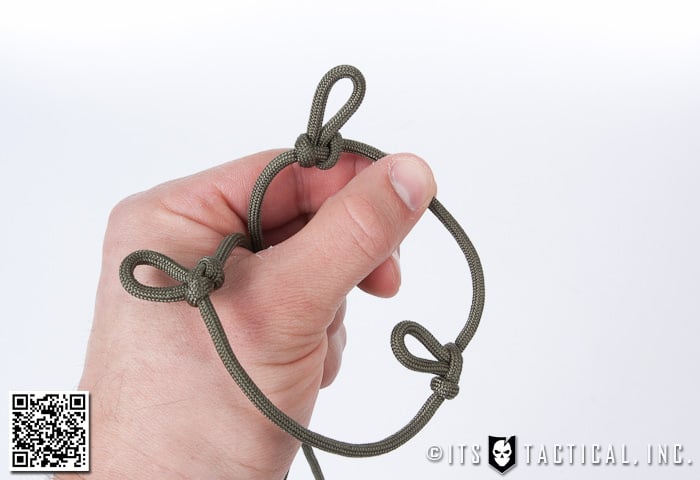
Post image for Create a Dragline or Secure a Climber with the Artilleryman’s Loop

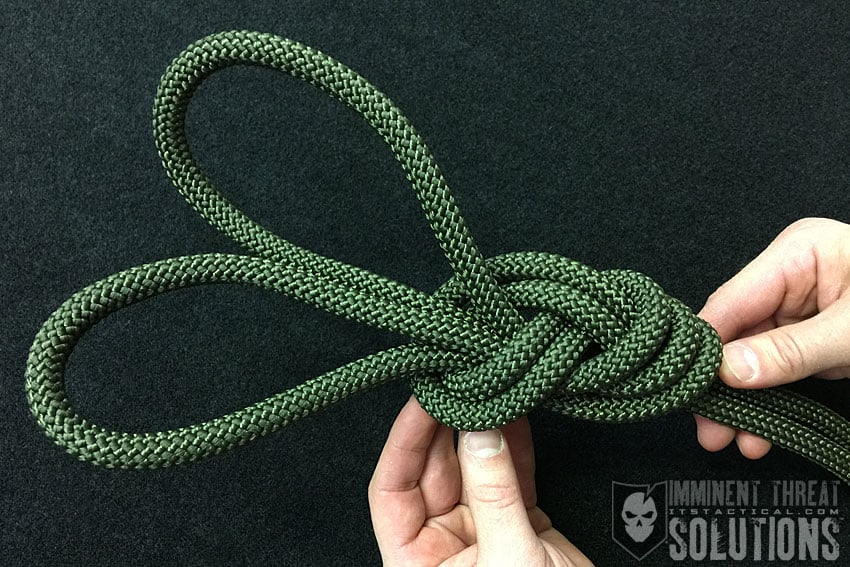
Our newest Knot of the Week features an intermediary step in what we’ll be showing you next week, which is a method requested in the comments of our last KOTW to use four points to secure a load

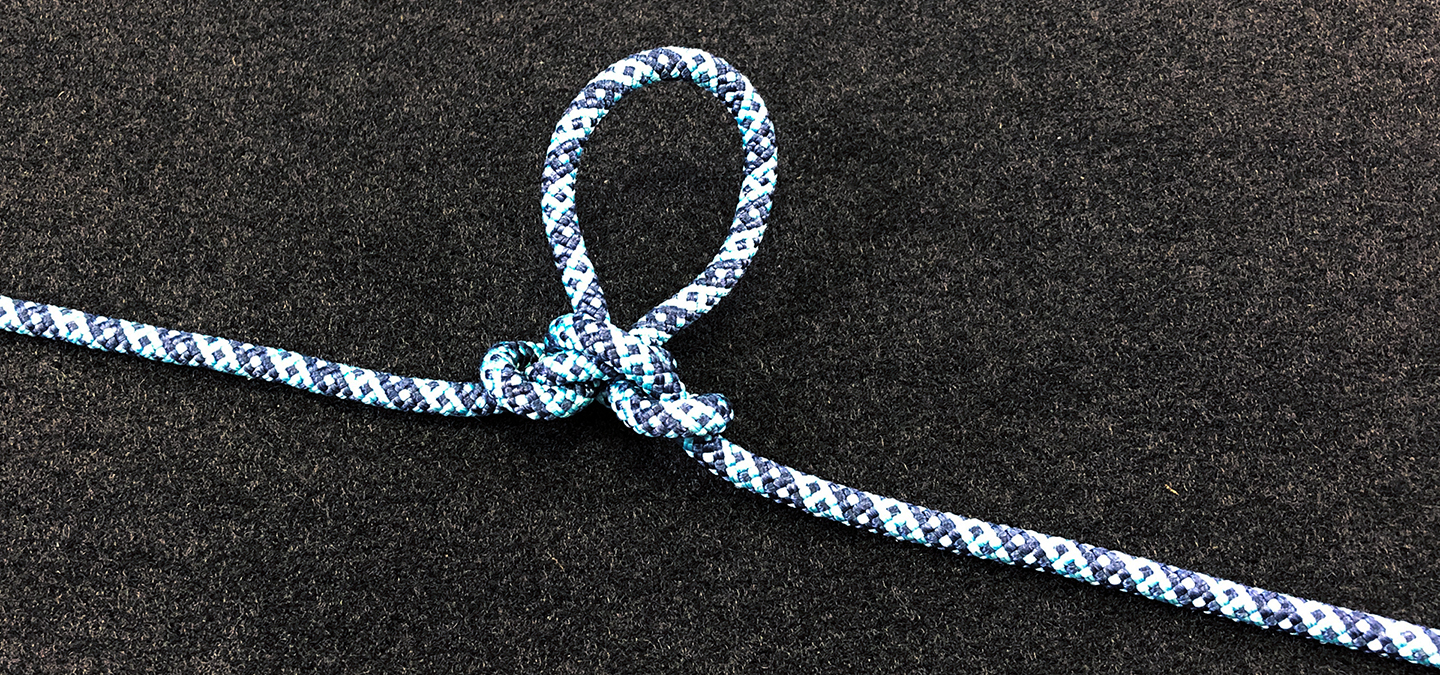
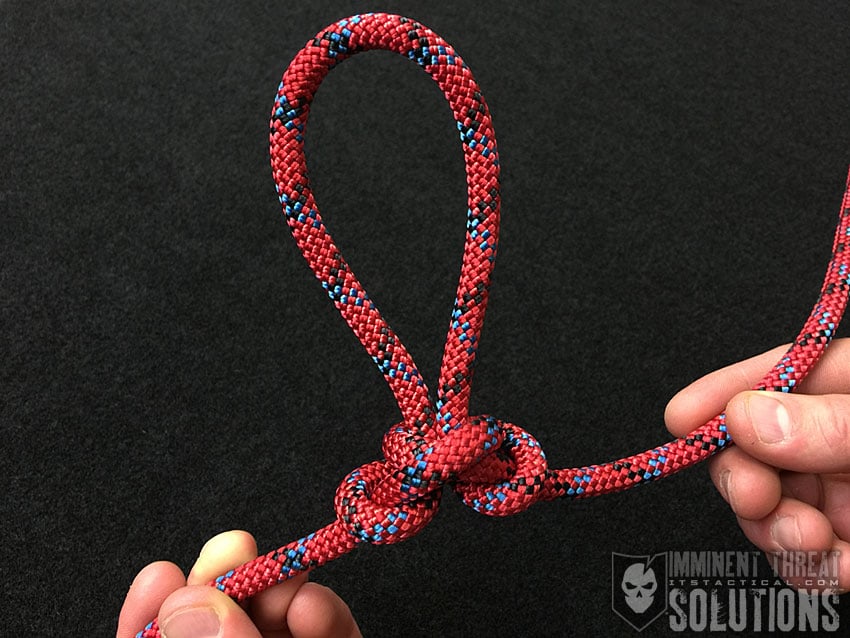
While the intent is to show this knot used in that, The Artilleryman’s Loop is a quick method for tying a loop on a bight. Tying this loop on a bight requires your line to be free of tension, as tension would make it difficult to pull the slack needed for tying this.

The Artilleryman’s Loop can be used for creating a tie-in point on a line or dragline, securing a third climber on a line or simply making a quick drop loop for attachments or adding tension to a lashing. [Read More…]

{ 7 comments }

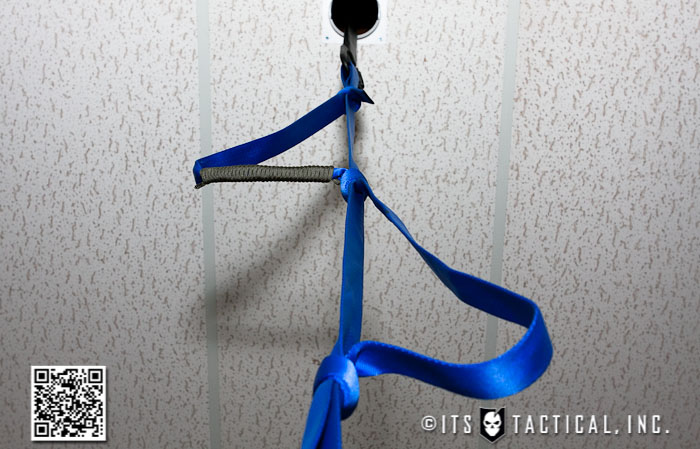
Post image for Knot of the Week: How to Tie an Etrier and Create a Field Expedient Ladder

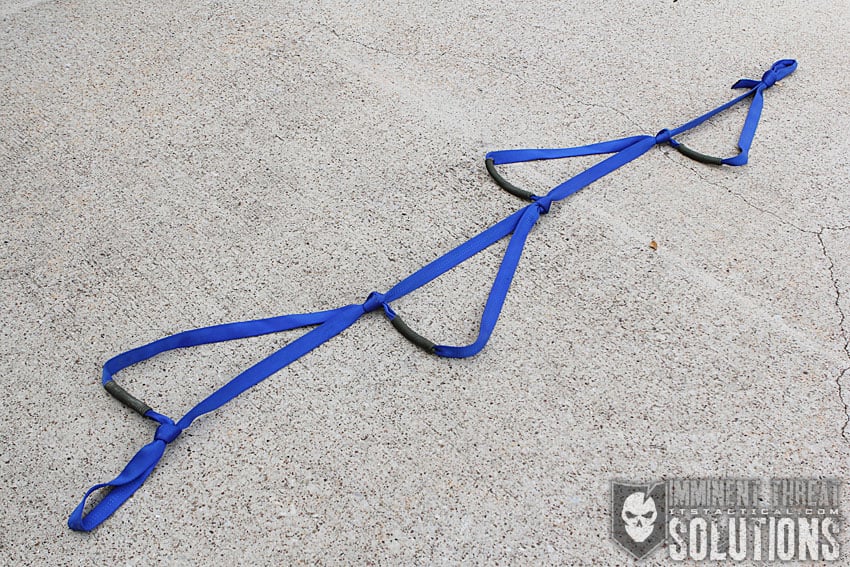
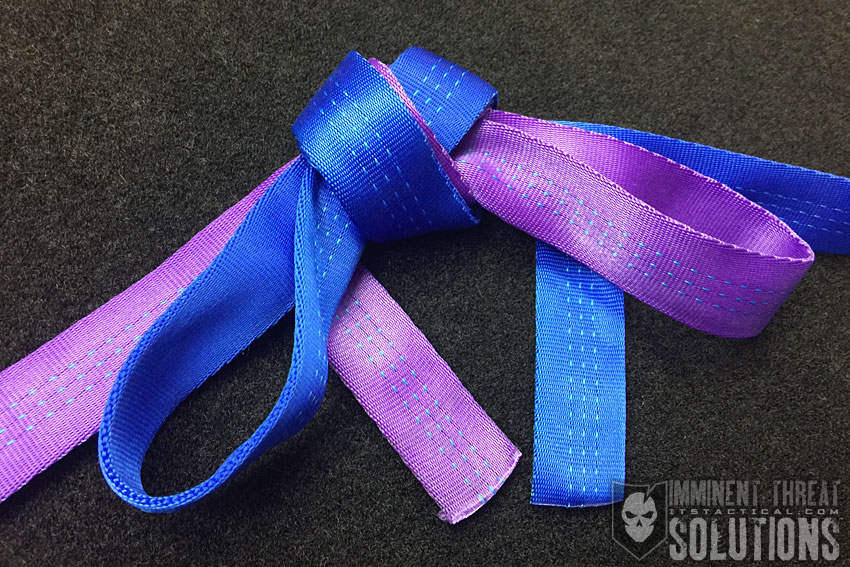
In this week’s Knot of the Week we’ll teach you how to tie the Frost Knot and form a length of tubular webbing into an Etrier, which is a French word meaning stirrup. In climbing, an Etrier is often referred to as an aider or a climbing ladder.

While hard to pronounce, the Etrier is an easy to tie and very effective way of creating a ladder to reach heights when climbing or in an emergency situation.

With a little practice, you can trust in your skills and know that you too will be able to simply carry some tubular webbing into the field and create a field expedient climbing ladder if needed. [Read More…]

{ 6 comments }

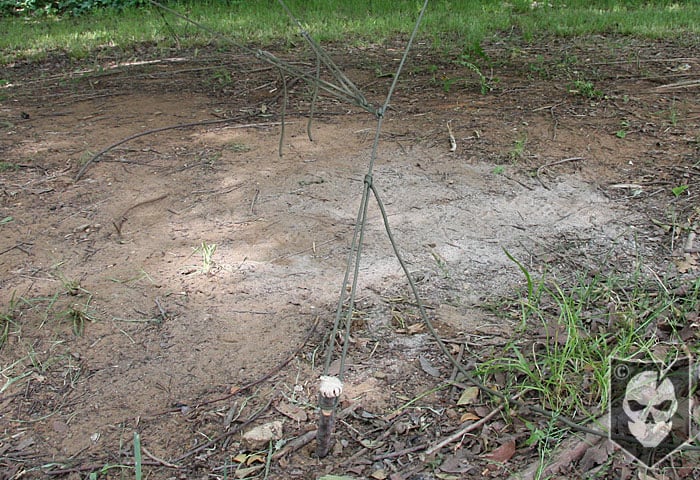
Post image for Knot of the Week: Rigging a Tarp Shelter, Part 3

Today we’ll wrap up the last part in our Knot of the Week mini-series on rigging a tarp shelter.

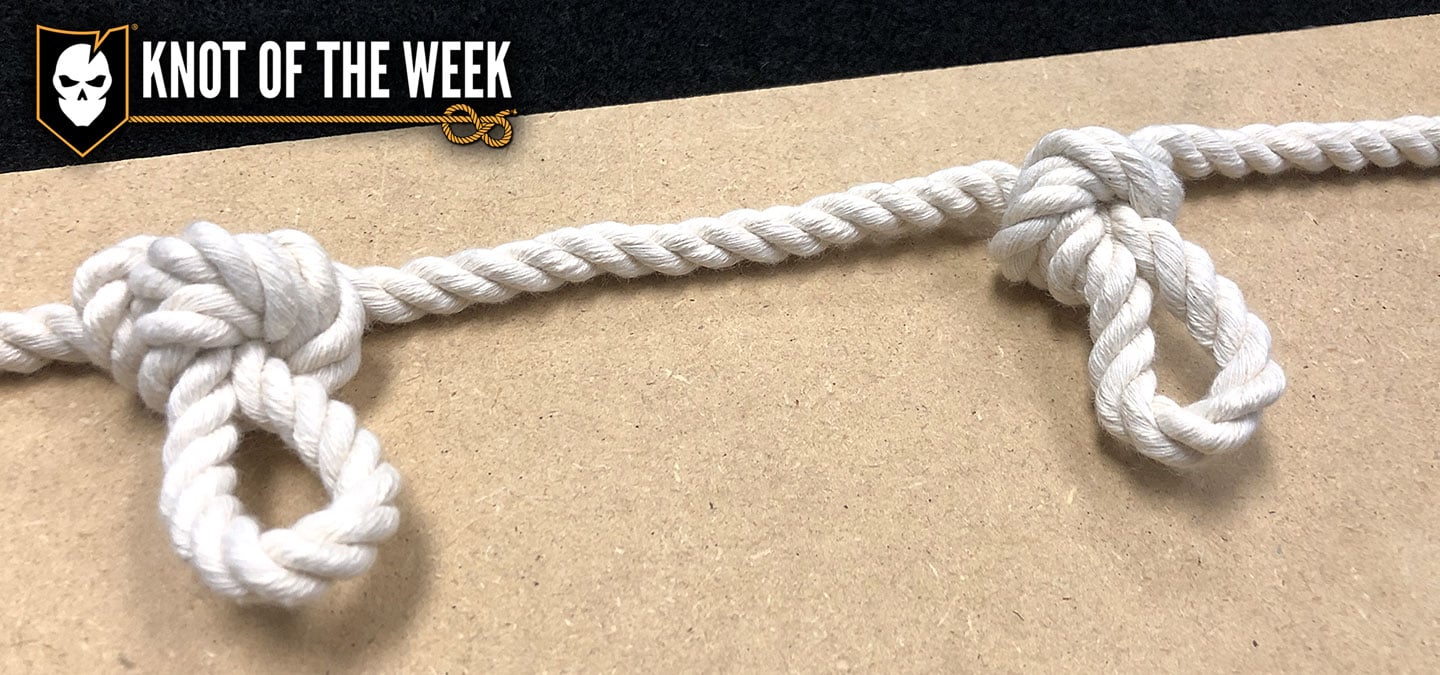
I left off in part 2 with explaining how the tarp is attached to the trunk line with Prusik Loops and Prusik Knots, and introduced the guy-line system. We’ll get more in-depth into that system as well as demonstrating the Alpine Butterfly Loop and the Taut-Line Hitch.

To create the guy-line system you’ll need at least five attachment points on each side of the tarp and quite a bit of paracord. As mentioned previously you’ll also need four stakes, but those can be made with a knife and some sticks you can typically find wherever you’re setting up at.

[Read More…]

{ 10 comments }

Post image for Save Your Life With a One Handed Bowline

For this week’s Knot of the Week, we’ll be looking at a very important knot called the One Handed Bowline.

What separates this knot from a traditional Bowline is the ability to truly tie this knot one handed, and around your body in an emergency.

Say for instance you were hanging by a tree limb for dear life as raging rapids were attempting to sweep you downstream. Without letting go of the tree branch, you could grab a rope that was thrown to you, tie the One Handed Bowline, and be pulled to safety.

This use of the One Handed Bowline is more for water rescues, as attempting to pull someone up the side of a mountain with a line under their armpits could potentially asphyxiate them before they reach the top.

If you need to hang suspended from a rescue line, simply tie the One Handed Bowline and step onto it with you foot and hang on to the line. Be careful with the application of this knot in emergency situations. [Read More…]

{ 14 comments }

Post image for Knot of the Week: Handcuff Knot

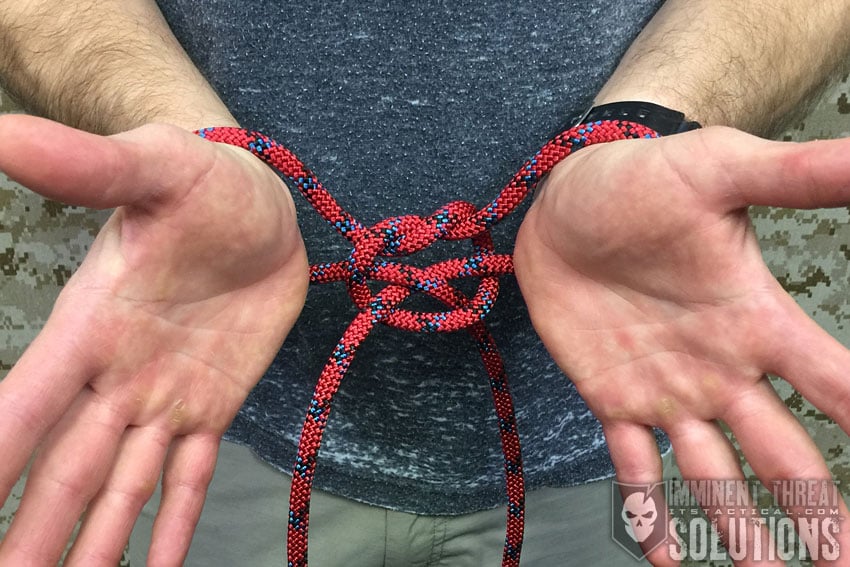
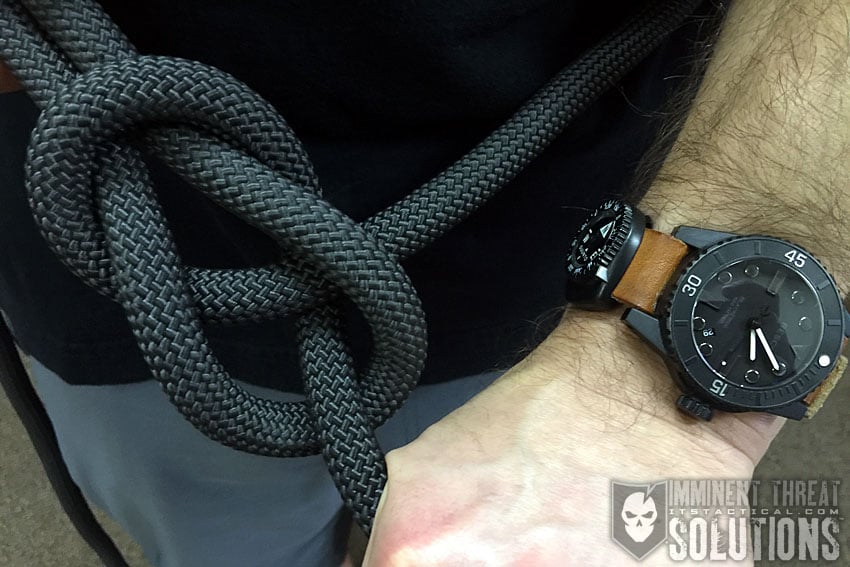
After a brief hiatus due to our Plank Owner Membership Launch, our Knot of the Week series continues today with the Handcuff Knot.

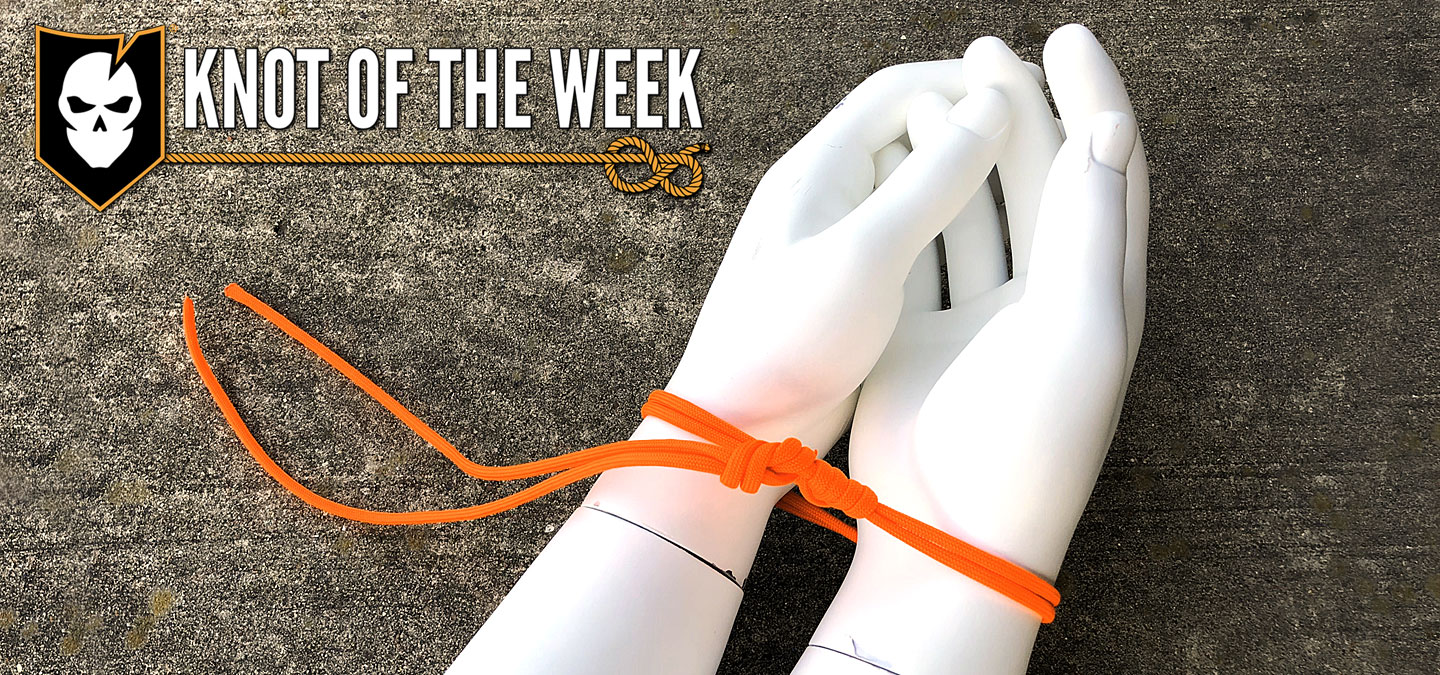
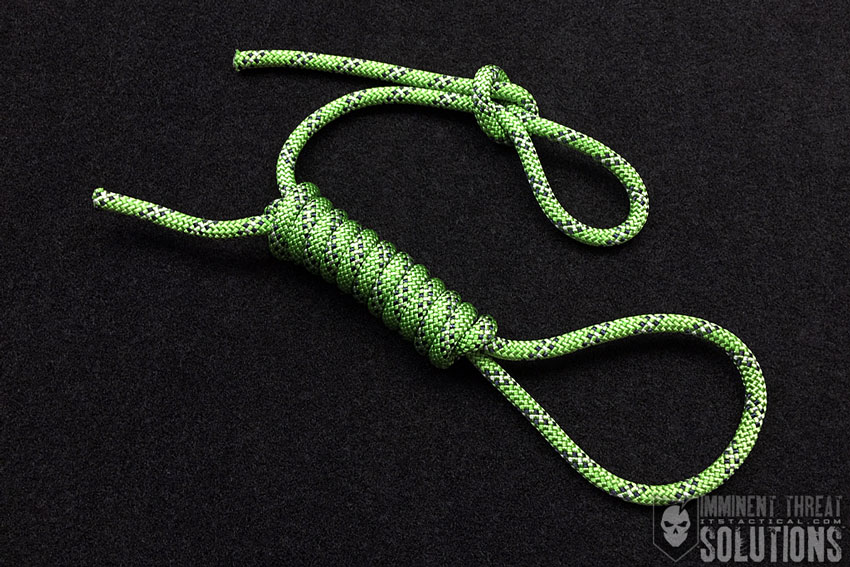
Much like it’s name implies, the Handcuff Knot is used to bind. This can be great for hunters hauling game, as it can easily slip over animal’s legs.

It can also be used as a temporary restraint tied with paracord, after you disable would-be burglars. You’ll just need to tie an extra security knot in the working ends after you adjust it.

The Handcuff Knot is a very simple knot to tie, and is tied much like the Sheepshank Knot. [Read More…]

{ 7 comments }

Post image for How to Tie Knots Like a Navy SEAL

For the next few weeks, we’ll depart from our usual “Knot of the Week” to bring you a series on the knots taught to Navy SEAL candidates at BUD/s (Basic Underwater Demolition/SEAL Training).

During the first phase of BUD/s, students are taught five knots which they’re required to tie one at a time underwater, each on a single breath hold. [Read More…]

{ 8 comments }

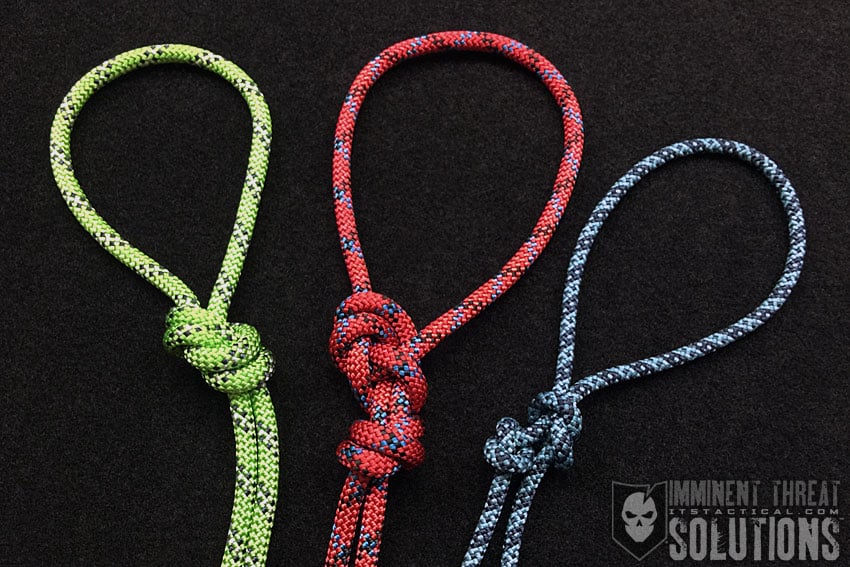
Figure-Eight 04Continuing on our Knot of the Week climbing mini-series, we introduce the Threaded Figure-Eight. Rather than just simply teach the standard Figure-Eight, we’d like to demonstrate the more advanced way of tying the knot to teach its versatility.

The Threaded Figure-Eight is an essential climbing knot which has many applications in all types of climbing, and can be easily tied. It has a unique shape that is easy to recognize when checking a buddy before a climb. [Read More…]

{ 6 comments }