



How to Tie Knots Like a Navy SEAL Underwater
How to Tie Knots Like a Navy SEAL Underwater
We’ve put together a video showing all the knots from the “How to Tie Knots Like a Navy SEAL” series tied underwater.
In the video we’ve recreated the BUD/s (Basic Underwater Demolition / SEAL) Underwater Knot Tying Test.
At BUD/s the test is performed in the 15 ft. section of the CTT (Combat Training Tank), where students must swim out to a waiting instructor who is treading water over trunk line on the bottom of the CTT.
Underwater Knot Tying Test
 Upon reaching the instructor, students tread water while sounding off with their name, rank and what knot they’ll be tying.
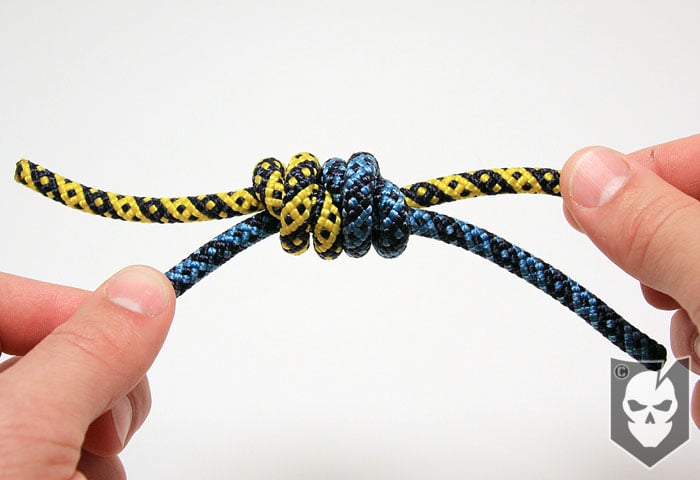
The knots are the Bowline, Square Knot, Becket’s Bend, Clove Hitch and Right Angle.
One knot is tied at a time, and the student and instructor tread water between each knot that is tied.
After sounding off with the student’s knot, he’ll give the waiting instructor the downturned thumb signal to descend. The instructor will return the signal, and the student and instructor will descend.
Upon reaching the trunk line on the bottom of the CTT, the student ties the specified knot and signals the instructor with an OK sign. The instructor then ensures the knot is tied correctly and returns the OK sign.
The student then unties the knot, grabs his rope, and signals the instructor with an upturned thumb to ascend. The instructor returns the signal, and the student and instructor will ascend.
After reaching the surface the student and instructor will tread water again as the student sounds off with the next knot he’ll be tying, and the process repeats itself.
FAIL!
Some things that will cause a student to fail:
- Tying a sloppy knot or not dressing the knot before giving the OK sign to the instructor
- Incorrectly sounding off on the surface, or stating they’ll be tying a knot they’ve already tied
- Tying the wrong knot underwater
- Running out of air and shooting up to the surface like a Pegasus missile, which while funny looking, doesn’t make the instructors happy
If the student does run out of air underwater, he’s instructed to give the slash across the throat sign for out of air, followed by the upturned thumb to ascend.
Knot Tying Line
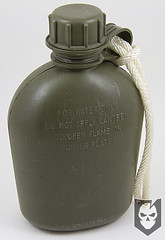 All knots tied during the test are with the BUD/s student’s knot tying line that he’ll have with him at all times during BUD/s until completing the Underwater Knot Tying Test.
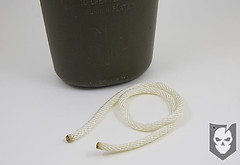
The rope used at BUD/s is just common Nylon rope that usually measures 5/16 in diameter and is around 20″ in length.
Students are encouraged to practice their knots whenever they can fit it in during their days at BUD/s to prepare themselves for the test.
Video Details
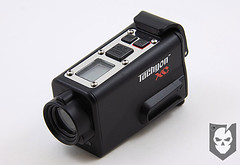 Our video below was filmed using a handheld Tachyon XC 2010 Camera, which we’re quickly becoming very fond of.
There are so many awesome features to the camera, but instead of discussing them now, check back for our full write-up coming soon!
One thing we will mention is that this thing has performed like a champ underwater. Not needing an external waterproof housing is worth it’s price alone.
We’ve linked to the instructions and videos from each of the five knots in the series below, enjoy!
How to Tie Knots Like a Navy SEAL: Part 1 (Bowline)
How to Tie Knots Like a Navy SEAL: Part 2 (Square Knot)
How to Tie Knots Like a Navy SEAL: Part 3 (Becket’s Bend)
How to Tie Knots Like a Navy SEAL: Part 4 (Clove Hitch)
How to Tie Knots Like a Navy SEAL: Part 5 (Right Angle)
Let us know what you’ve thought about the entire “How to Tie Knots Like a Navy SEAL” series, we’d love to know!

Discussion