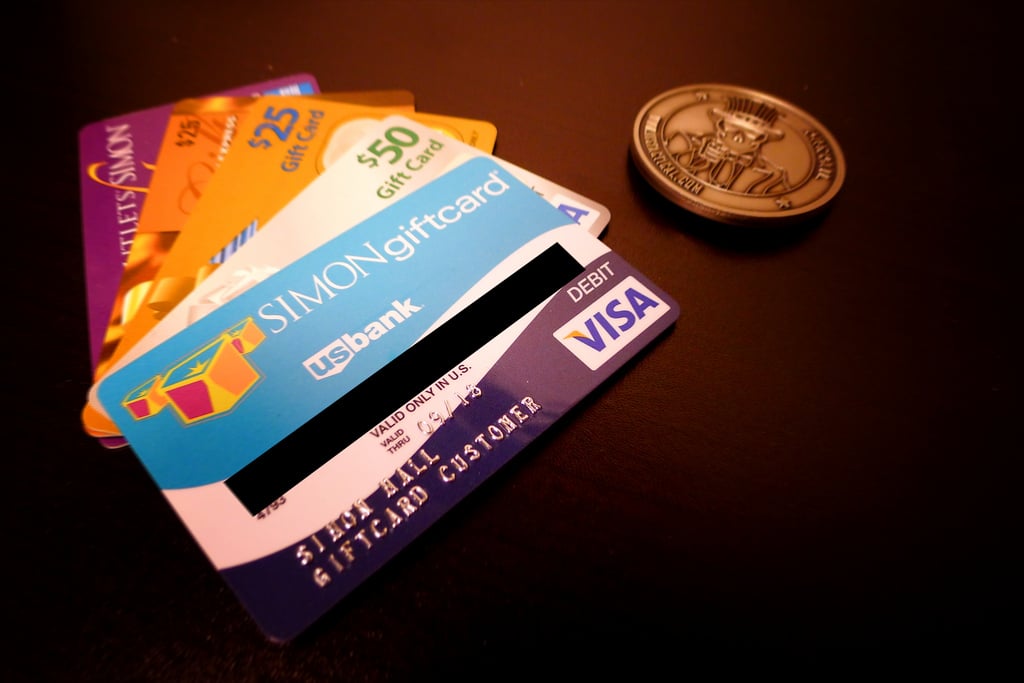
Prepaid debit cards are sold as gift cards at many stores and offered by Visa, Mastercard and American Express. These cards are purchasable with cash, which enables them to be used for anonymous, cash-like digital payments.
Once purchased the cards can be used like normal debit or credit cards, but to be used online, they must be registered on a Website. Purchasing goods with these cards doesn’t make much sense, since any physical item will require a real shipping address, but it’s an attractive option for paying for services. One could use an anonymous debit card to purchase VPN and prepaid cell phone services, both of which will contribute to preserving the privacy of your electronic communications. [Read More…]
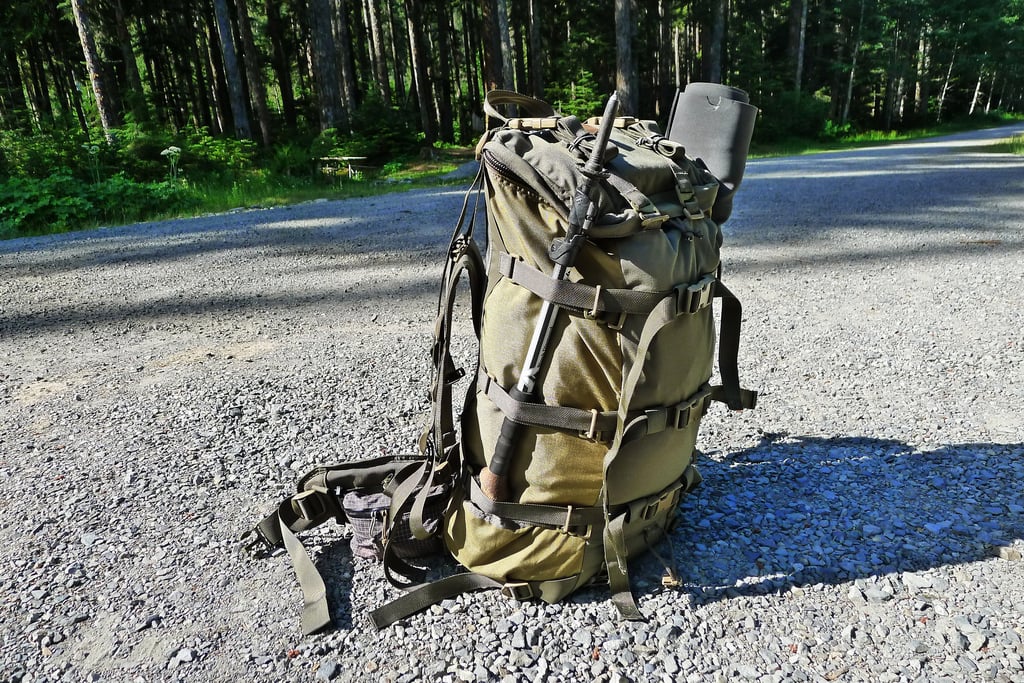
The Tarahumara from Hill People Gear is a small pack that manages to reach an impressive equilibrium between simplicity and versatility. Originally envisioned as a hydration carrier, the Tarahumara grew during its development into a small pack and compression panel.
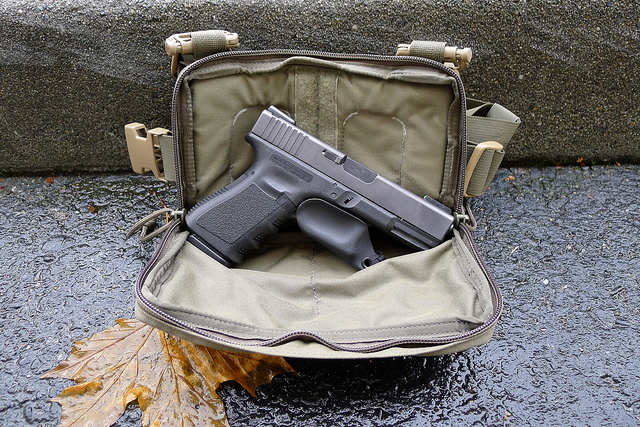
Carrying on the waist isn’t an option when you’re wearing a pack with a belt. In order to do its job, the pack belt needs to wrap tightly around the waist, which makes any bulky items between the waist and the pack belt inappropriate. A holster could be mounted to the pack belt itself, but then you drop your gun whenever you drop your pack. If you choose to carry a handgun in the backcountry, you probably want it with you and readily accessible at all times.
The Kit Bag addresses this problem by allowing the handgun to be carried on the chest. It’s supported by its own harness, worn underneath the pack, which allows the user to drop their pack without removing the Kit Bag.
Many outdoor gear brands sell thin webbing belts. These belts aren’t meant to hold much gear, they simply hold your pants up. The thin, pliable webbing makes for a svelte belt that can be comfortably worn under a pack hip belt or a climbing harness. The webbing also tends to be of a low quality and the belts are often priced ridiculously high. Why pay $15 for something that you can make yourself at little cost, if not for free?
I had worn a Frequent Flyer Belt from The Wilderness Tactical on a daily basis for a number of years. It is an excellent belt, but I occasionally found the wide and thick webbing, which is appropriate for some uses, to be uncomfortable and cause chafing under the heavy hip belt of my pack. As an experiment, I purchased a Patagonia Friction Belt when it was heavily discounted during a sale. That worked well for a while — it was more comfortable under my pack — but the webbing used was very low quality. It was also still a bit stiff. I thought, why should there be any stiffness at all to the belt? It serves no purpose in the backcountry. [Read More…]
Kuiu is a relative new-comer to the market. Their products are easily and accurately summed up in the company’s slogan: Ultralight Mountain Hunting. For a backcountry traveler like myself, that slogan is immediately enticing.
I’m very conscious about the weight of the gear that I bring to the mountains, weighing and logging every gram. But hunting and particularly mountain hunting, also suggests a measure of durability, which is too often missing from the lightweight paradigm. [Read More…]
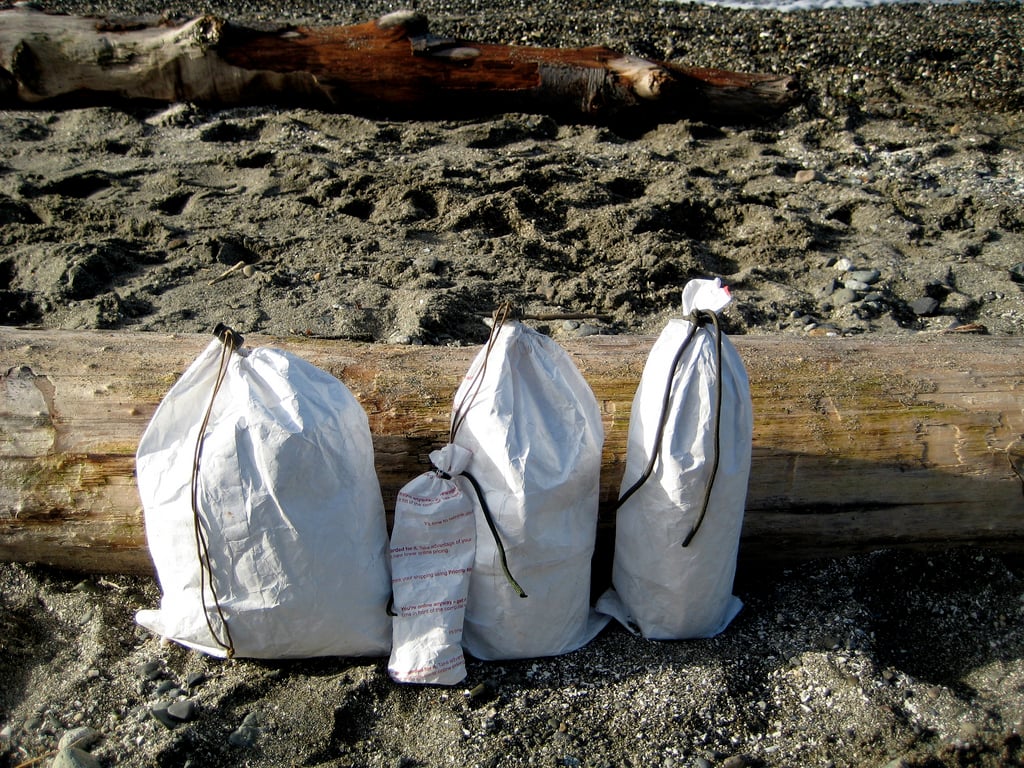
Tyvek is a synthetic material made by DuPont, most regularly used at construction sites for wrapping house frames. It is a rather strong material and fairly waterproof. It is so ubiquitous in industrial usage as to be freely available to the intrepid individual. Partly because of this, Tyvek is popular among many wilderness travelers for use as a cheap, lightweight, and effective groundcloth in conjunction with a tarp shelter.
The United States Postal Service’s Priority Mail envelopes are also made out of the material. Some time ago I saw a picture of one of these envelopes in use as a stuff sack. I thought it was a great idea and decided to make my own. I’ve since made a number of them and find them to be very useful. There tends to always be at least one in my pack. [Read More…]
Recent Comments