There’s an old saying wherever you go, there you are! Unfortunately that isn’t good enough, especially in a survival situation. Even a rough estimate of your position is far better than being totally clueless.
In the most ideal situation, you might have access to a GPS with fresh batteries—but even then successful wilderness navigation isn’t a guarantee. Remember back to elementary school math; they always taught the long, hard way before introducing the shortcuts that are used in the real world.
It is in this spirit that we are launching a new series on land navigation. We’ll start with the basics, progressing to more advanced land navigation topics. [Read More…]
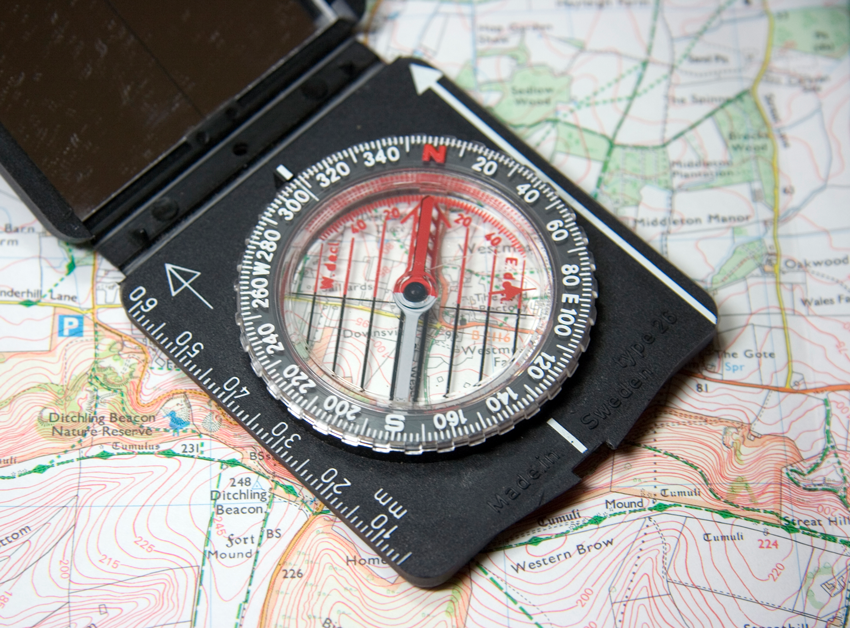
Photo by Pemb Dave
I have always liked fun trivia and details everyone else likes to skip over. One of those little items I like is marching cadence. It makes a hell of a difference when you run the numbers.
The US military uses a 30-inch step. Normal marching cadence is 120 steps per minute. That equals 3.4 miles per hour or a 17.64-minute mile.
Double Time is essentially a jog that uses a cadence of 180 steps per minute. That equals 5.1 miles per hour or a 11.76-minute mile.
Many readers will note that the Ranger/SF standard is 15 minutes per mile or 4 miles per hour. This is easily attained and maintained for long distances whereas double time is not. [Read More…]
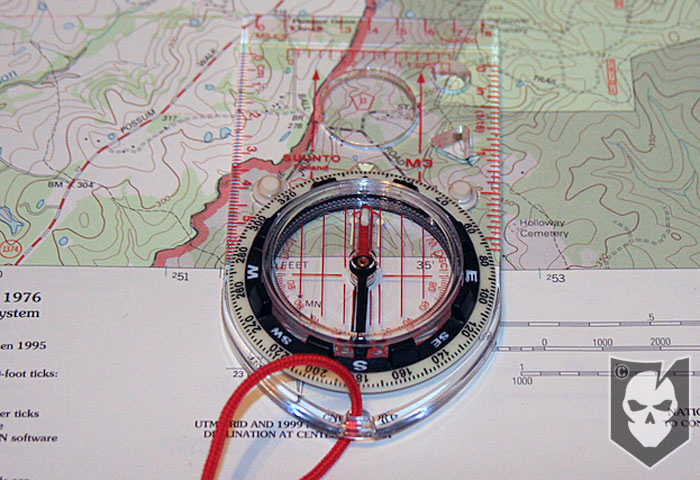
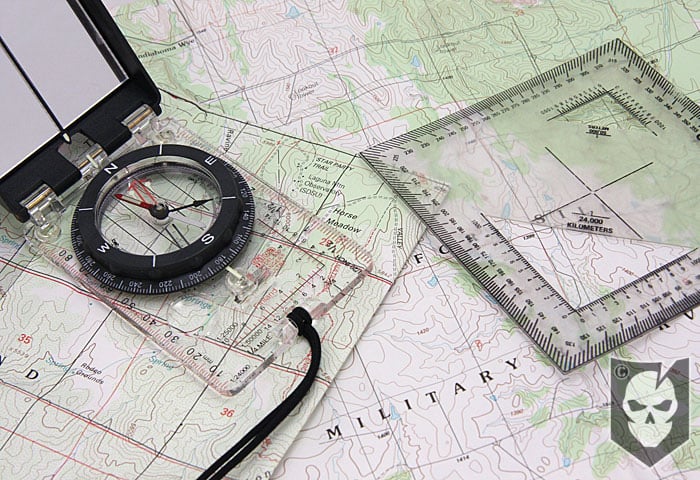
Whether your GPS has run out of power or you’re in a survival or E&E situation, the ability to navigate using a map and compass is one of the most valuable skills you can have and something that everyone should take the time to learn to do.
Maps
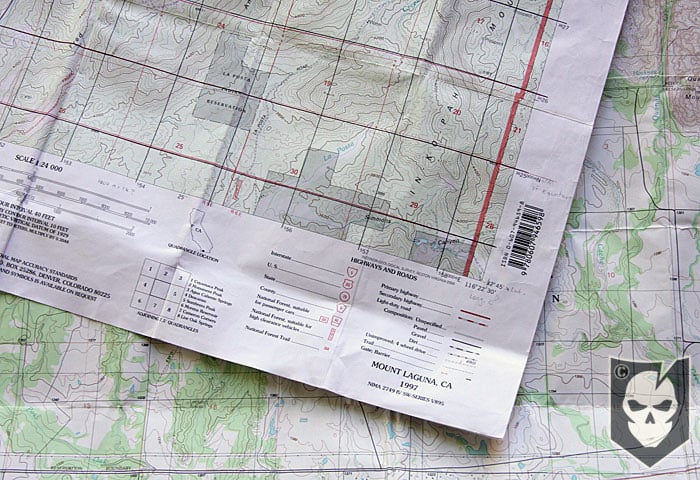
Before you can navigate, you need to be able to read a map. While maps come in many different types, the most common map used for navigating is the topographic map. [Read More…]
In land navigation it’s important to crawl before you can walk, and determining your pace count is fundamental.
Every bit of information that you can gather about your location has it’s place in navigation, so no techniques should be discounted or ignored.
While some might dismiss pace count as a “waste of time” or “too hard to keep up with,” those are probably the same people who have never really had to find their way before.
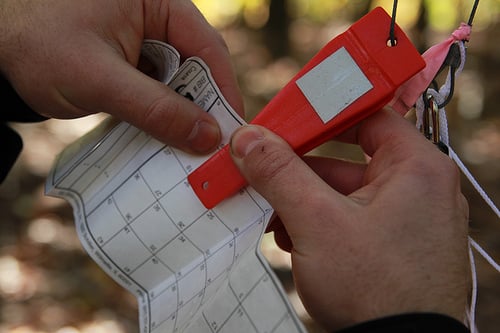
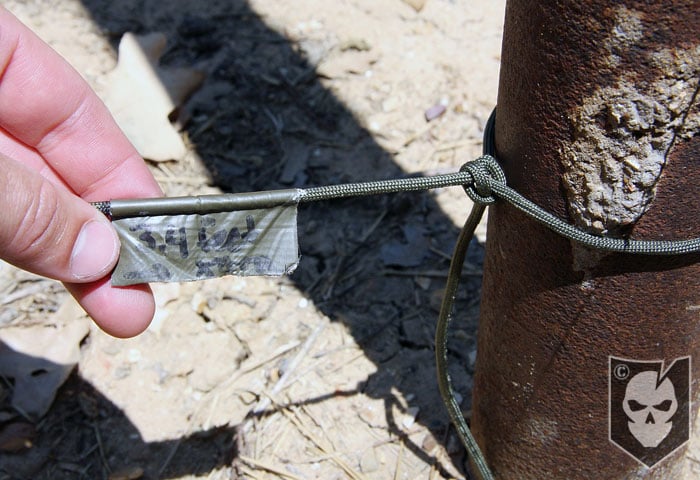
A pace count will enable you to know the distance you’re traveling by determining, in advance, the number of paces it takes you to travel a pre-set distance.
You’ll then need to give yourself some kind of reminder that you’ve covered that distance, as well as each time you hit your magic number, or pace count. [Read More…]
Recent Comments