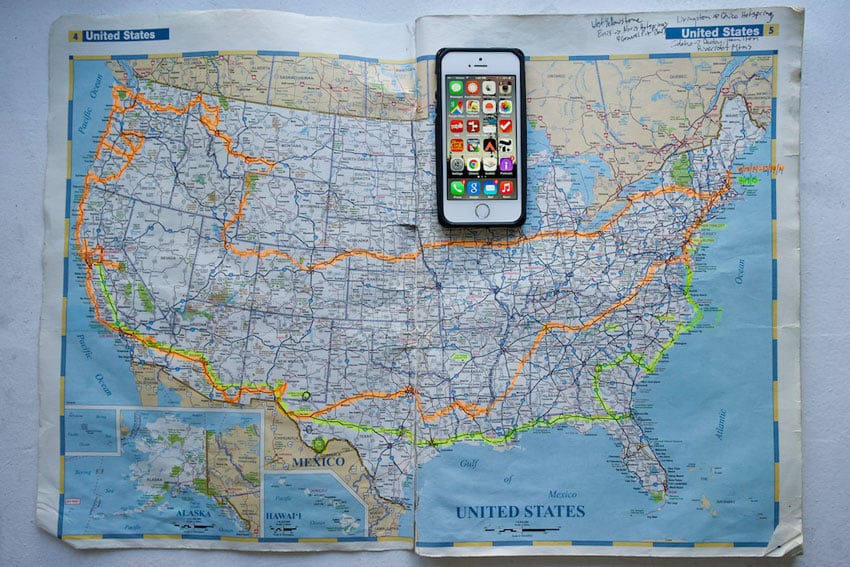
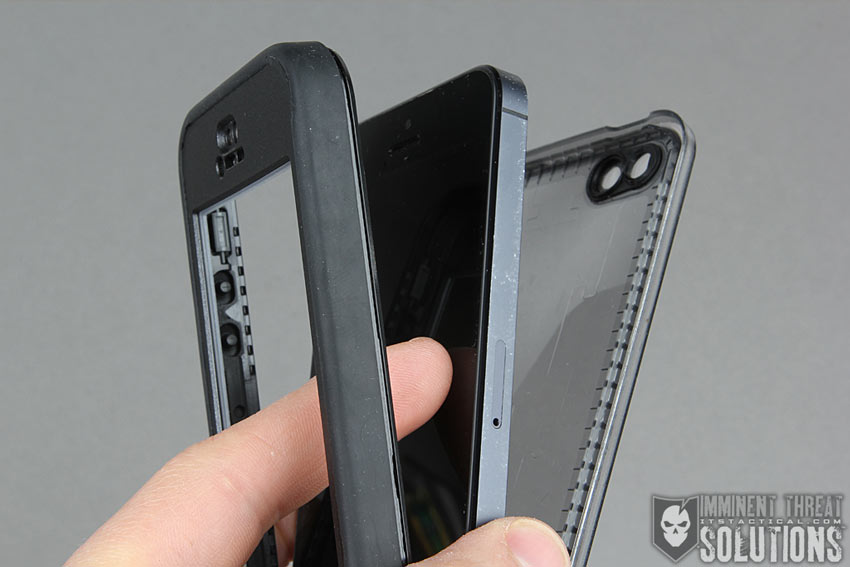
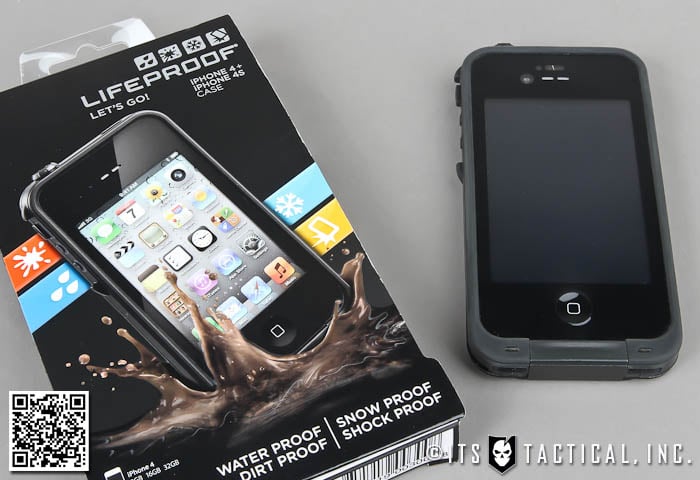
When I first heard about the LifeProof case, I was hesitant to believe the hype surrounding it, but anxious to try one out for myself. I’d been wanting something that protected my iPhone from not just the daily abuse and pocket lint, but insured my investment against tragedies like I’m about to explain.
Around a year ago I was checking email first thing in the morning, standing over the toilet, when my still asleep fingers dropped my iPhone into the water like a depth charge. I then did what any self-respecting individual would do when they drop a four hundred dollar electronic device into the toilet. I grabbed it as fast as I could, gave it a quick rinse and tried to do what I could to dry it out.
Get rid of that scowl, you know you’d do the same thing! While it did function for a few weeks afterwards, I vowed to protect my replacement phone a little better and also not to take my iPhone anywhere near the toilet. I’ve since found the LifeProof case and have great things to say about it, so let’s get right into the review. [Read More…]
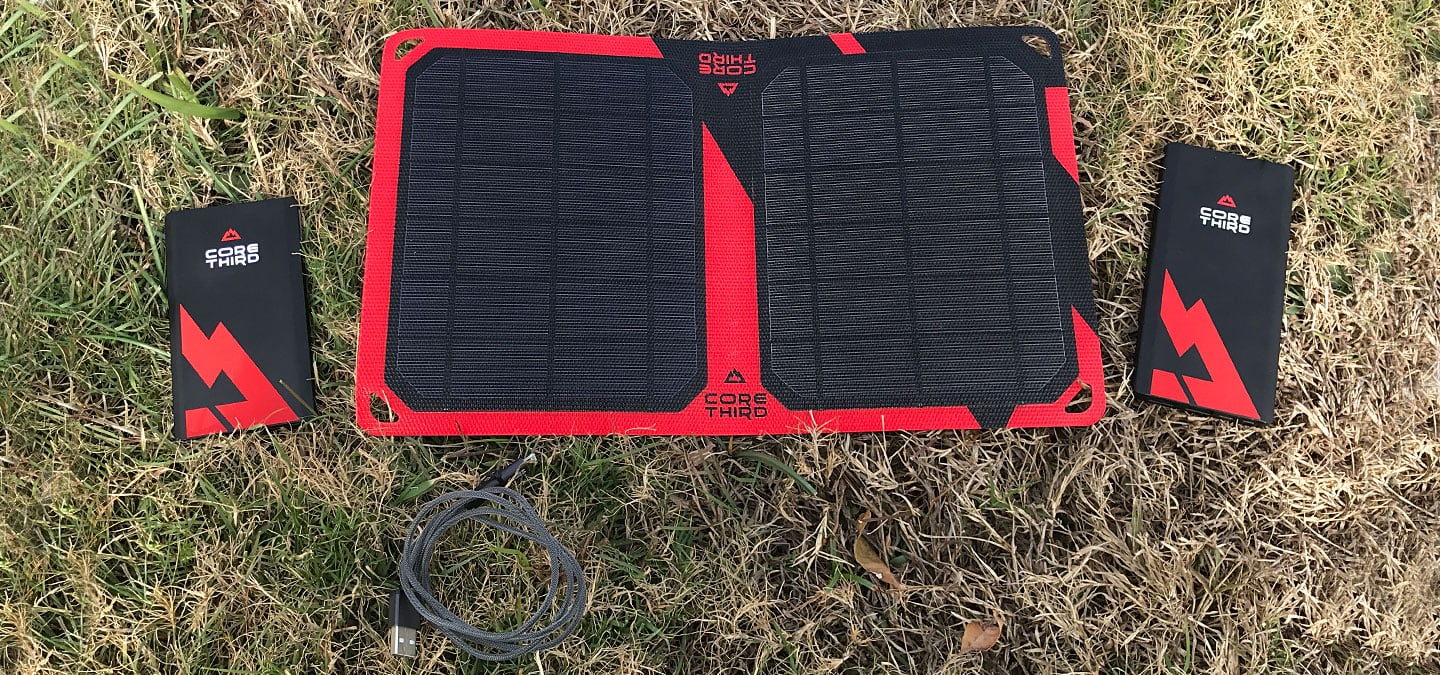
We live in a very digitally connected age. Everyone is constantly texting, tweeting, and surfing on their mobile devices. But what do you do when your battery runs out? If you don’t have access to an outlet, you’re probably out of luck.
My only digital camera is my iPhone 4S and I rely on it to have power when I want to capture a moment with a photo. I brought my iPhone on the GORUCK Ascent and managed to extend the battery life as long as possible by turning it off when I wasn’t using it but I could have gotten more photos had I brought some sort of a charger.
I recently had the opportunity to take the Gerber Cable Dawg on a multi-week exercise and put it to the test in the field. The Dawg is one of the most well thought out tools I’ve come across, specifically targeting the communication specialists out there.
In one tool they’ve combined a cable cutter, knife, CAT5 jacket cutter, wire stripper, RJ45 crimper, and an interchangeable magnetic driver for your flat, Phillips, and even punch-downs.
My team’s multi-week experience with the tool included creating custom-length Ethernet cables, punching down wires, snipping the ends off of zip ties, opening up boxes full of network gear, etc. Essentially, we used the tool for all the real-world things one would expect from someone setting up comms gear in the field. Our goal was to install a series of IP-based cameras and other sensors, along with the supporting comms gear, bringing everything back into a small Network Operating Center (NOC) at a Forward Operating Base (FOB). [Read More…]
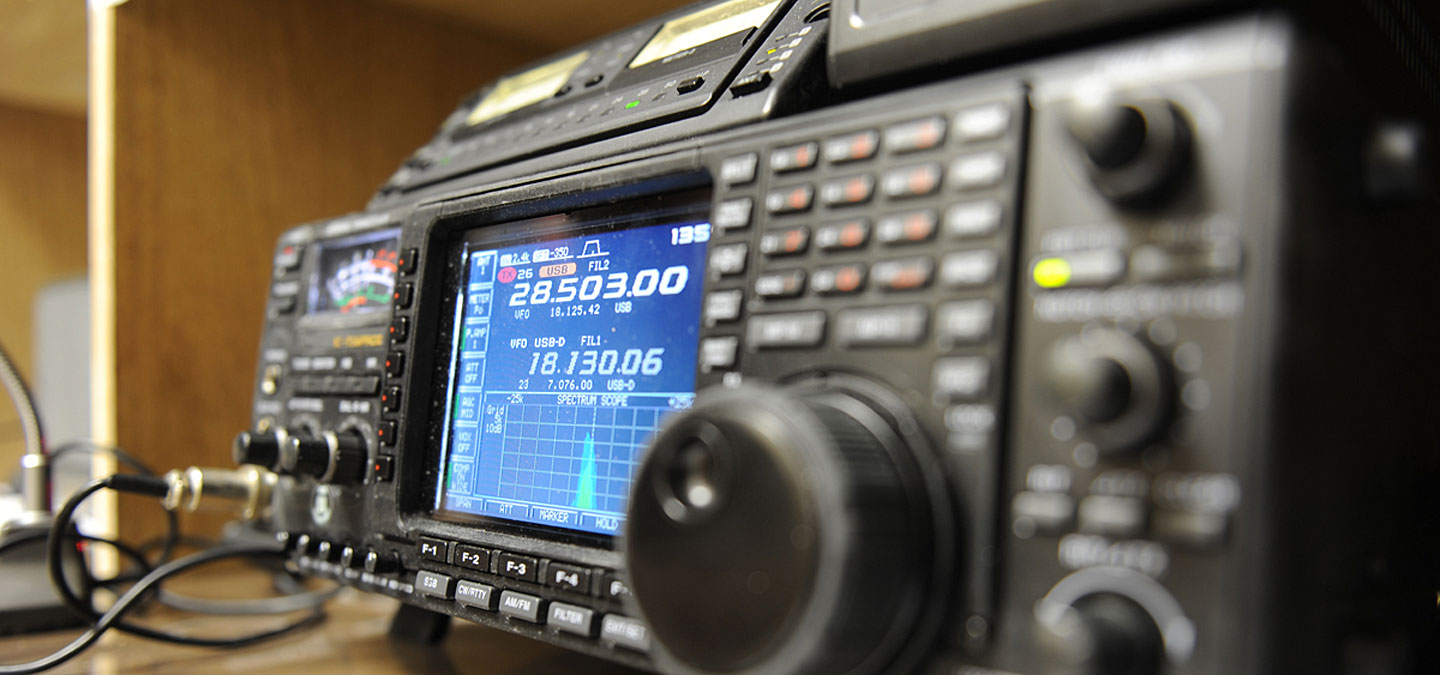
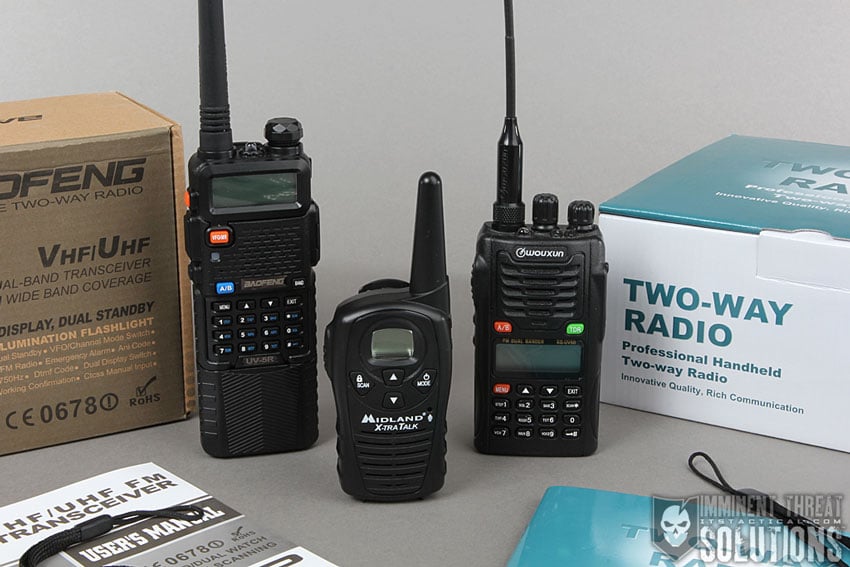
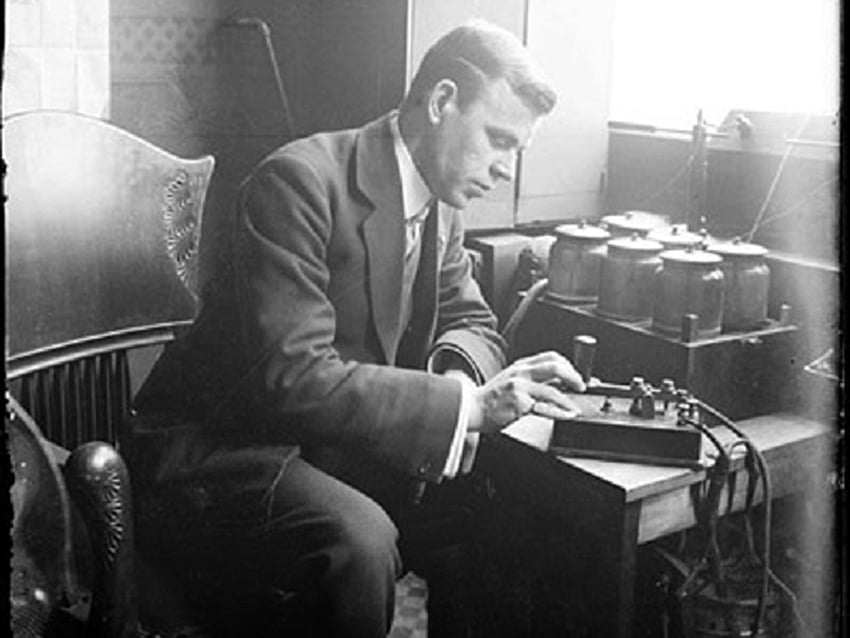
Amateur radio consists of a series of radio frequency bands designated internationally for public, non-commercial use. Various types of information can be transmitted over the bands, such as voice, video, and digital data.
A doorway to the world, amateur radio can be used to communicate with people both local and distant. Even off-planet communications are possible, as the astronauts in the International Space Station (ISS) maintain an amateur radio station!
Since the invention of radio, amateur operators — often referred to as hams — have been on the airwaves, constantly pushing the technology. Hams are responsible for not only many advances in radios themselves, but also in satellite communications (hams regularly launch their own satellites, called Orbiting Satellites Carrying Amateur Radio or OSCARs) and digital computers. [Read More…]
Air Force engineers have recently developed a device dubbed RAPS (Remote Auxiliary Power System) for Special Operations troops to harvest power directly from overhead power lines.
RAPS is actually based on a Spec Ops request to create a Batman device for throwing over outdoor power lines to power/recharge batteries in communications equipment.
Much like a grappling hook, the device is thrown over a power line where it makes two connections as it’s pulled into position. One to the exposed wire and one through a razor blade that pierces the insulated wire. Once the device is correctly connected, the custom power supply converts the AC to DC for use. [Read More…]
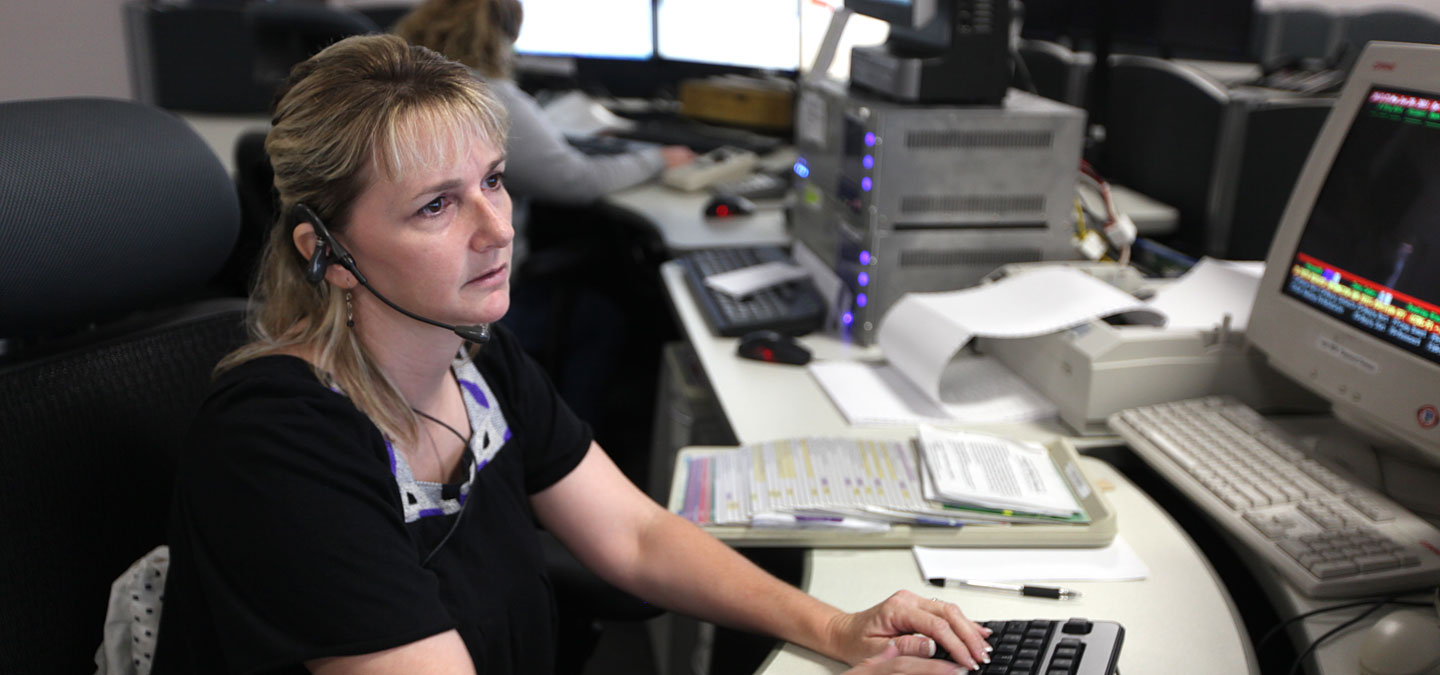
The general public needs to be aware that cellular or PCS portable telephones may not “work” during an emergency when everyone tries to use them at once, because the system becomes “overloaded.”
CERT, Neighborhood Watch and families should consider alternative means to check on each other’s kids, elderly neighbors or keep in touch to make sure everyone is OK after the storm blows over and the telephones are out.
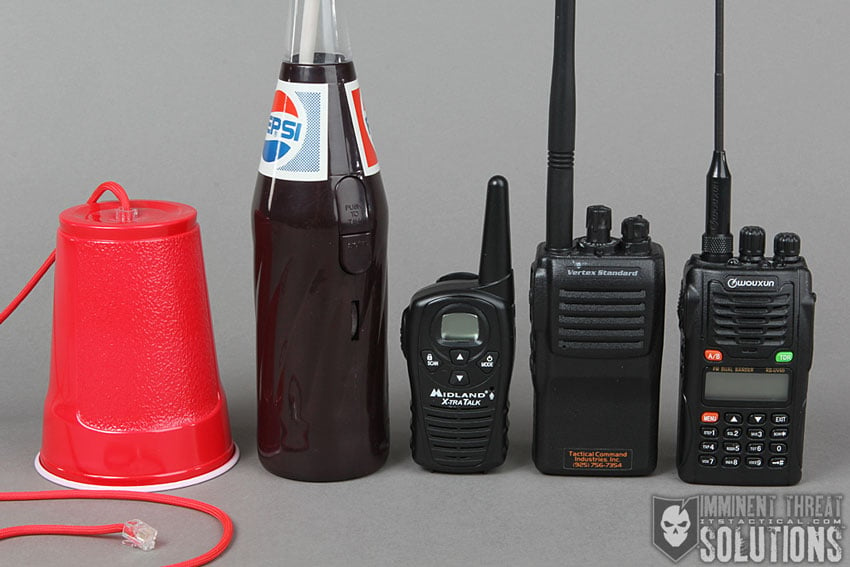
The Family Radio Service or FRS has utility for short range communications, as long as you understand its very significant limitations. The FCC created FRS as an unlicensed service for use by families and groups. [Read More…]
Private frequency, license free, low cost, two-way communication. What’s not to love about MURS?
MURS stands for Multi User Radio Service, and is one of the best kept secrets in personal and family radio communications.
Formerly available only for business communications, the FCC has kept five MURS frequencies license-free and open for public use since 2000. [Read More…]
Recent Comments